

One of the most persistent problems in modern test automation is the presence of flaky tests.
A flaky test is a test that:
- sometimes passes
- sometimes fails
- without any change in the application code.
This creates serious issues in continuous integration pipelines and significantly reduces confidence in automated testing.
In some large projects, 20–30% of automated tests can become flaky, leading to:
- unreliable CI pipelines
- wasted debugging time
- loss of trust in automation.
The industry is now exploring a new paradigm: Self-Healing Test Automation.
Instead of constantly fixing broken tests, we design frameworks that can adapt and repair themselves automatically.
Understanding Flaky Tests
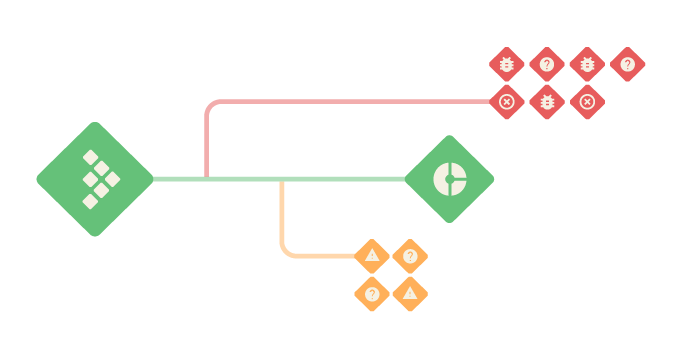
Flaky tests usually originate from several common causes.
1. Synchronization Problems
Applications often require time to load elements or perform asynchronous operations.
Example:
click(loginButton);
assertTrue(dashboard.isDisplayed());
If the dashboard takes longer to load, the test fails even though the application works correctly.
2. Fragile Locators
Many UI tests rely on unstable locators.
Example of a fragile XPath:
//*[@id="content"]/div[3]/div[2]/button
A minor change in the DOM structure can break the locator.
3. Unstable Environments
External dependencies such as:
- third-party APIs
- shared test databases
- network latency
can cause unpredictable test failures.
4. Test Interdependencies
Tests that depend on the state left by previous tests often behave inconsistently.
The Impact of Flaky Tests
Flaky tests can have severe consequences for development teams.
Loss of Trust
Teams begin ignoring pipeline failures because they assume the issue is caused by unstable tests.
Slower CI/CD Pipelines
Developers rerun pipelines multiple times to confirm whether failures are real.
Increased Maintenance Cost
Maintaining test suites becomes more expensive than writing new tests.
What is Self-Healing Test Automation?

Self-Healing Test Automation introduces intelligent mechanisms capable of detecting and repairing test failures automatically.
The concept relies on:
- DOM analysis
- similarity algorithms
- machine learning models.
When a locator fails, the system analyzes the page structure to find a similar element and continues the test execution.
Example of Locator Self-Healing
Imagine the following locator fails:
$("#submit-btn")
After a UI update, the button becomes:
<button id="submit-button">Submit</button>
A self-healing engine can analyze attributes such as:
- element text
- tag name
- attributes
- DOM hierarchy
and automatically identify the correct element.
Technical Approaches for Self-Healing
Smart Locator Strategies
Instead of relying on a single locator strategy, frameworks combine multiple strategies.
Example:
findElement(
  byId("submit")
  .orByText("Submit")
  .orByCss(".submit-btn")
);
This increases locator resilience.
DOM Similarity Algorithms
The framework compares elements based on:
- attributes similarity
- structure similarity
- relative position.
This allows the system to identify alternative elements even after UI changes.
Machine Learning for Element Detection
Some modern tools use machine learning models to identify UI elements.
Examples include:
- visual recognition
- DOM pattern learning
- historical locator behavior analysis.
Example Architecture of a Self-Healing Framework
A simplified architecture might look like this:
Test Execution
      │
Locator Failure
      │
DOM Snapshot Analysis
      │
Similarity Engine
      │
Alternative Locator Found
      │
Test Continues
This mechanism allows tests to continue running without immediate manual maintenance.
Self-Healing in Selenium Ecosystems
One well-known open-source project is Healenium.
Typical architecture:
Test Framework
      │
Selenium WebDriver
      │
Healenium Proxy
      │
Healing Engine
      │
DOM History Database
The system records previous DOM structures and compares them when failures occur.
Best Practices
Even with self-healing capabilities, strong automation practices remain essential.
Prefer Stable Locators
Use dedicated attributes such as:
data-test-id
instead of fragile XPath expressions.
Ensure Test Independence
Each test should run independently without relying on previous tests.
Avoid Hard Waits
Instead of:
Thread.sleep(5000)
use explicit waits or intelligent synchronization.
Limitations of Self-Healing
Self-healing automation is powerful but not perfect.
Potential risks include:
- masking real application defects
- selecting incorrect elements
- increased framework complexity.
Therefore, it should complement—not replace—good testing practices.
The Future of Test Automation
Test automation is evolving toward intelligent frameworks capable of:
- generating test cases
- analyzing failures automatically
- repairing broken tests.
In the near future, AI-powered frameworks may significantly reduce the maintenance burden of automated testing.
Flaky tests are one of the biggest threats to the reliability of test automation.
Self-Healing Test Automation offers a promising approach to:
- stabilize CI pipelines
- reduce maintenance costs
- increase confidence in automated testing.
However, successful automation still depends on solid engineering practices and thoughtful test design.